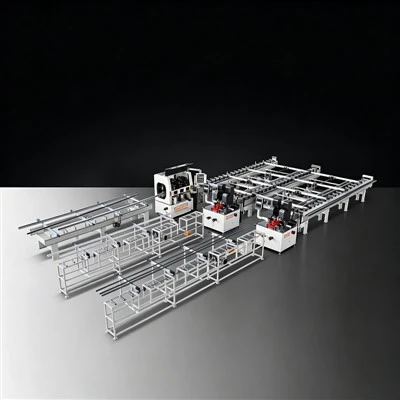
Choosing a thermal break assembly machine depends on the aluminum profile, polyamide strip, production volume and required level of automation. The right machine should match the actual profile design and assembly process.
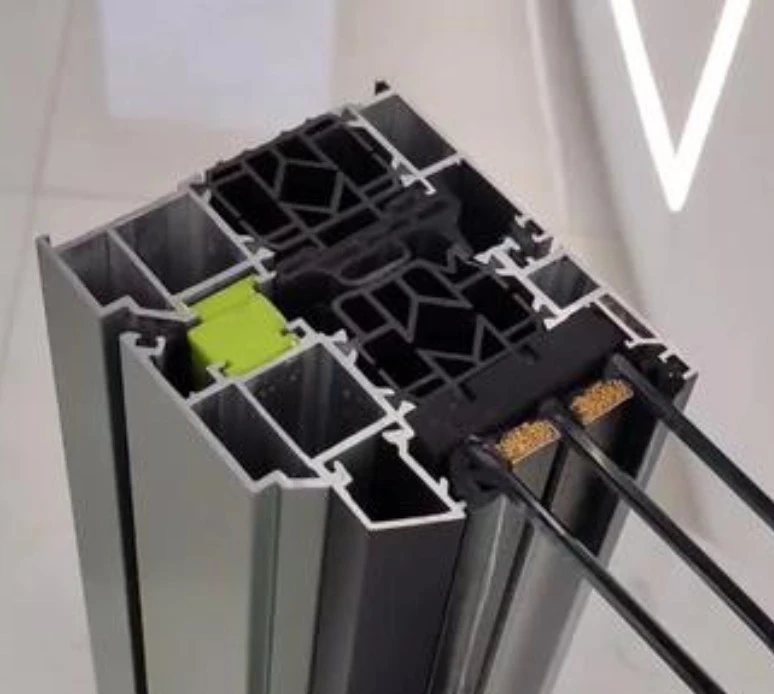
For thermally broken aluminum profiles, the main processes include profile knurling, polyamide strip insertion, rolling and crimping. Each step affects the final mechanical connection between the aluminum profiles and the thermal barrier strip.
1. Start With the Aluminum Profile
The profile is the first factor to consider.
Check the:
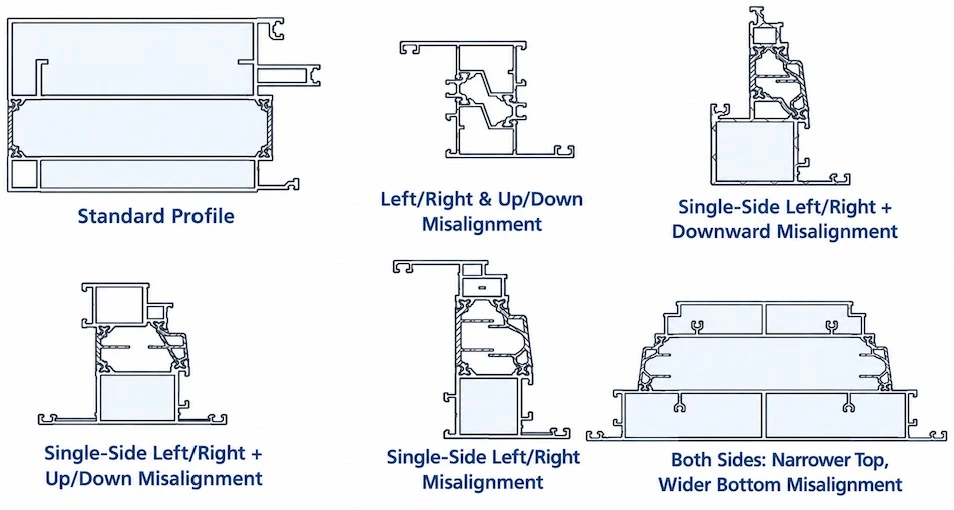
Profile dimensions and geometry
Groove dimensions
Knurling position
Profile length
Polyamide strip specification
Different profile designs may require different clamping, positioning and processing arrangements. If you produce several profile types, choose a machine that allows the main parameters to be adjusted for different profiles.
2. Check the Polyamide Strip
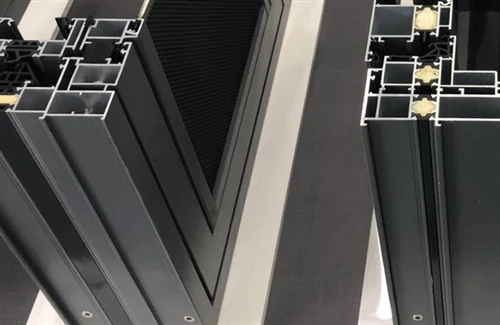
The thermal barrier strip must match the profile groove.
Important factors include:
Strip width and height
Strip shape
Strip material
Groove dimensions
PA66 polyamide strips are commonly used in thermal break aluminum profiles. The machine should provide stable strip feeding and insertion while keeping the strip correctly positioned in the profile.
If you use different strip specifications, make sure the machine can be configured for the required sizes.
3. Consider the Knurling Process
Knurling is performed before strip insertion. The inner grooves of the aluminum profile are toothed or serrated to improve mechanical engagement with the polyamide strip.
When selecting a thermal break assembly machine, consider:
Knurling depth adjustment
Number and arrangement of knurling heads
Profile positioning accuracy
Changeover method
Whether both sides can be processed without manually turning the profile
For higher-volume production, CNC knurling provides more consistent processing and easier parameter management.

4. Choose the Right Rolling and Crimping Configuration
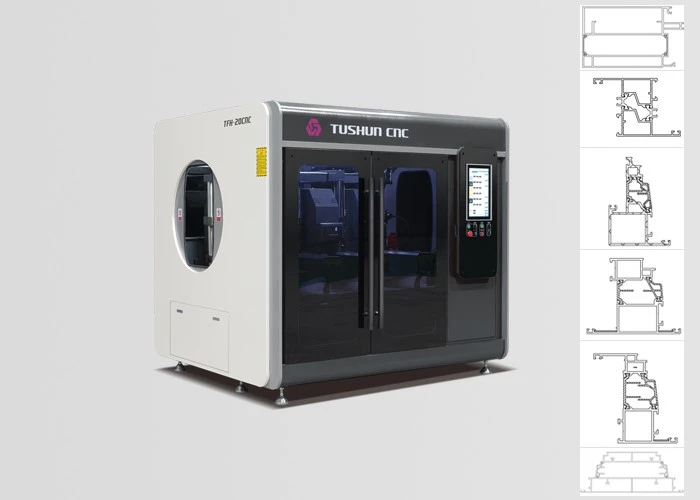
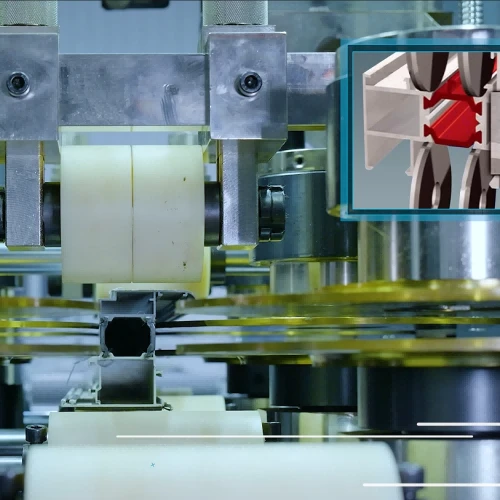
After strip insertion, the aluminum profile needs to be rolled and crimped around the polyamide strip. This creates the required mechanical connection between the aluminum profile and thermal barrier strip.
CNC rolling crimping machines can be configured with different numbers of controlled axes, including:
11-axis
14-axis
17-axis
20-axis
The appropriate configuration depends on the profile design, strip specification and production requirements.
5. Manual Machine or Automatic Assembly Line?
Production volume is another important consideration.
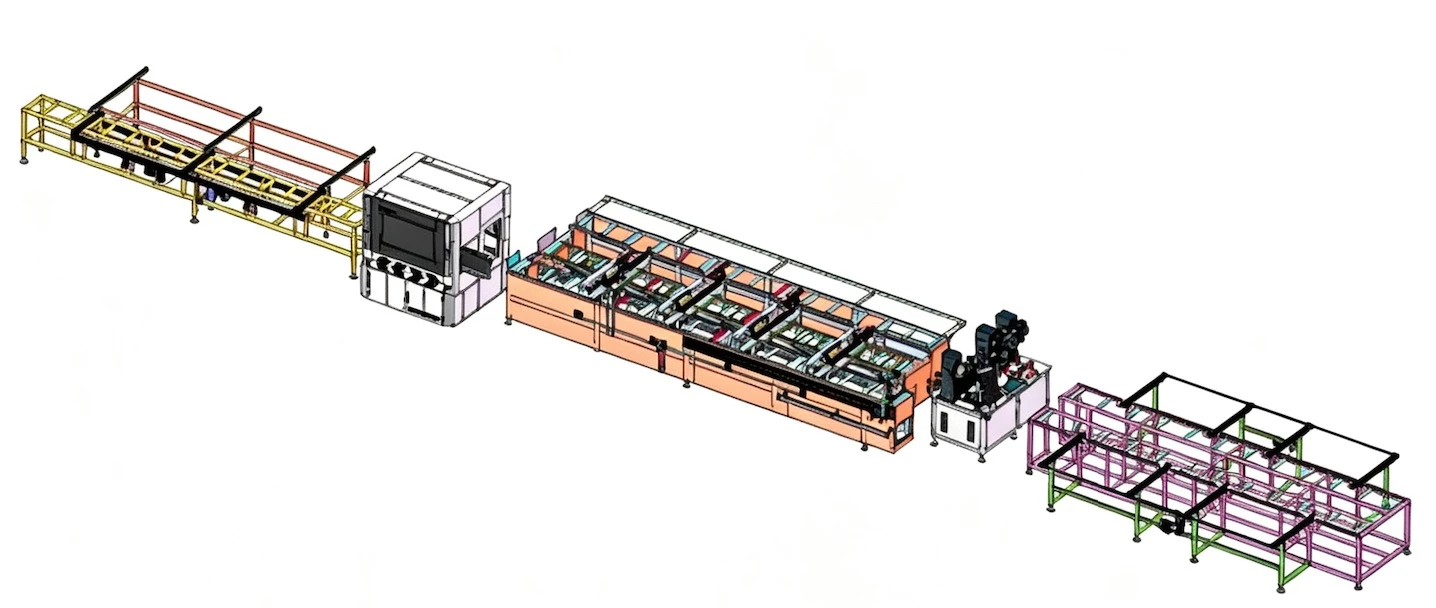
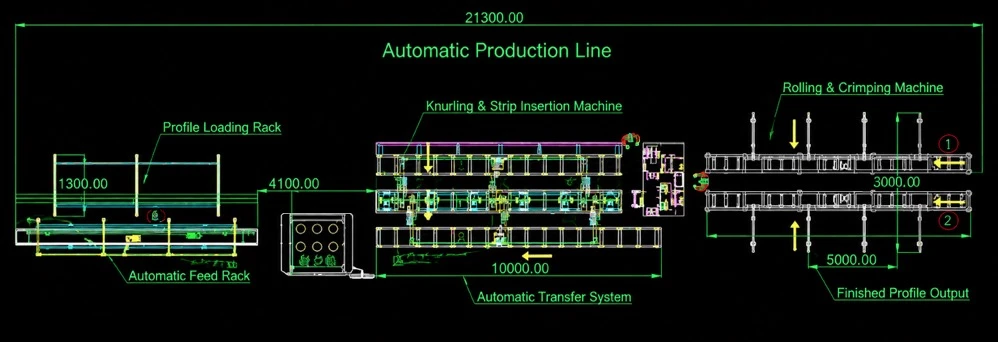
A manual or semi-automatic machine may be suitable for smaller production runs or frequent profile changes. For continuous production, an automatic thermal break assembly line can combine:
Profile feeding and positioning
CNC knurling
Polyamide strip insertion
Profile conveying
Rolling and crimping
This reduces repeated manual handling and keeps the main assembly processes connected.
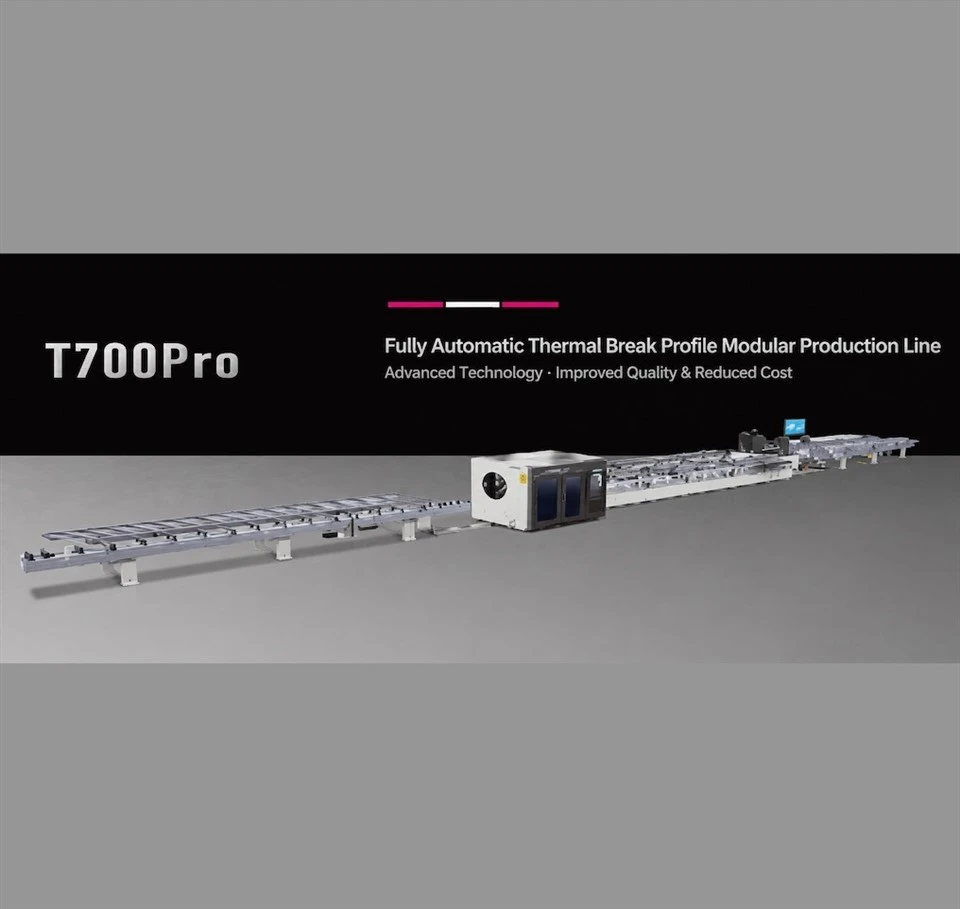
The MAKERL T700Pro Intelligent Thermal Break Aluminum Profile Assembly Line combines a CNC dual-station knurling and strip insertion machine, automatic conveying system and CNC rolling crimping machine for continuous production.
6. Match the Machine to Your Production Capacity
Machine capacity should be considered together with your actual production requirements.
Production output can vary depending on:
Profile size and length
Machine configuration
Assembly process
Cycle time
Loading and unloading method
MAKERL automatic thermal break assembly lines can reach approximately 120–240 pcs/h, depending on the profile and configuration.
Do not select a machine only by its maximum rated speed. The more important question is whether its practical output matches your production target.
7. Consider Changeover and Operation
If your factory produces different aluminum profile designs, convenient parameter adjustment can reduce setup time.
Useful functions may include:
CNC parameter settings
Recipe storage
Automatic positioning
Profile size adjustment
QR code profile identification
These functions are particularly useful when the production schedule includes multiple profile specifications.
8. Check Quality and Testing
The finished profile should be checked after assembly to confirm the required connection between the aluminum profile and polyamide strip.
Depending on the production requirements, quality control may include:
Knurling depth
Strip position
Rolling and crimping condition
Finished profile dimensions
Shear strength
The machine supplier should be able to explain how the equipment controls the assembly process and how the finished thermal break profile can be tested.
9. Prepare Your Requirements Before Choosing a Machine
Before requesting a machine configuration, prepare:
Aluminum profile drawings
Profile dimensions
Polyamide strip specifications
Required production capacity
Number of profile types
Automation requirements
Available factory space
With this information, the machine configuration can be matched to the actual thermal break profile assembly process.
Choosing a Thermal Break Assembly Machine From MAKERL
MAKERL manufactures thermal break assembly equipment for aluminum profiles, including CNC profile knurling and strip insertion machines, thermal break assembly lines and CNC rolling crimping machines.
For continuous production, the T700Pro Intelligent Thermal Break Aluminum Profile Assembly Line integrates knurling, polyamide strip insertion, conveying, rolling and crimping into one coordinated production process.
For machine selection, send your profile drawings, polyamide strip specifications and production requirements to MAKERL. The equipment configuration can then be matched to your profile design and production needs.